
Bed bugs (Cimex spp.) are visible, wingless, blood‑feeding insects that hide in tight crevices near sleepers and actively seek hosts at night, using thermal and CO2 cues. Dust mites are microscopic arachnids that live in textiles and HVAC dust, require elevated humidity for proliferation rat repellent, and drive IgE‑mediated allergic disease rather than biting. Detection and control strategies consequently differ: targeted eradication and exclusion for bed bugs versus environmental humidity control, laundering, and encasements for mites—more details follow.

What Are Bed Bugs and How Do They Behave
Typically nocturnal, bed bugs (Cimex lectularius and related species) are small, wingless hematophagous insects that feed exclusively on warm-blooded hosts, primarily humans. Their nocturnal behavior is characterized by crepuscular activity peaks, guided by thermal attraction and carbon dioxide cues. Feeding patterns are short, periodic blood meals—usually 3–10 minutes—facilitated by anticoagulant and anesthetic saliva, enabling repeated host contacts without immediate detection https://igreenasia.com/. Harborage selection is strategic: tight crevices near sleeping areas provide stable microclimates and protection from disturbance, optimizing reproductive output and nymphal development. Mobility and aggregation pheromones contribute to clustering, while resistance traits (behavioral and physiological) affect control efficacy. Operational research emphasizes sensor-driven detection and targeted interventions informed by these behavioral and physiological parameters.
What Are Dust Mites and Where They Live
Dust mites are microscopic arachnids (family Pyroglyphidae and related taxa) that feed primarily on human skin flakes and microbial biofilms. They proliferate in environments with stable humidity above ~50% and temperatures between 20–25°C, where organic detritus accumulates. Common habitats include mattresses, pillows, upholstered furniture, carpets, and HVAC filters where fabric and dust provide food and shelter.
What Dust Mites Are
Microscopic arachnids of the family Pyroglyphidae, dust mites are obligate synanthropic scavengers that subsist primarily on desquamated human and animal skin flakes and associated microbial matter. Their morphology—chelicerae adapted for particulate ingestion, setae patterns used in species identification, and compact exoskeletons—supports niche specialization in human environments. Population dynamics respond predictably to microclimate variables; relative humidity and temperature regimes govern reproduction and survival, informing engineered mitigation strategies such as humidity control and mattress encasements. Allergen production (major proteins Der p 1, Der f 1) underpins clinical relevance, directing allergen mapping and targeted intervention development. Material science inputs—textile selection, fiber treatments, and ventilated mattress designs—enable translational solutions that reduce allergen reservoir formation without reliance on indiscriminate biocides.
Typical Dust Mite Habitats
In human dwellings and other synanthropic settings, dust mites chiefly inhabit textiles and fibrous substrates where humidity and temperature favor their physiology. Concentrations are highest in bed-related materials—mattress seams, pillows, and upholstered headboards—where microclimates retain moisture from perspiration. Carpets, curtains, and fabric-covered furniture provide additional reservoirs, particularly within pile and seams that trap organic detritus. HVAC systems and poor ventilation create zonal variations; airflow patterns influence deposition of skin flakes and local relative humidity, modulating mite population dynamics. Detection relies on standardized sampling (vacuum extraction, adhesive traps) and microscopy or immunoassays for allergen quantification. Mitigation strategies prioritize environmental control: reducing humidity below 50%, optimizing airflow, using allergen-impermeable encasements, and targeted laundering at high temperatures to disrupt life cycles.
Key Physical Differences Between Bed Bugs and Dust Mites
The section compares bed bugs and dust mites by quantifying size and visibility, contrasting macroscopic hematophagous insects (~4–7 mm) with microscopic acarines (<0.5 mm) that require magnification for routine detection. It outlines morphological differences—segmented insect body with six legs and antennae versus acarid body with eight legs and fused cephalothorax–abdomen—using diagnostic characters relevant to identification. It summarizes mobility and behavior distinctions, noting active crawling and host-seeking in bed bugs compared with limited locomotion and detritivore/allergen-generating behavior in dust mites.
Size and Visibility
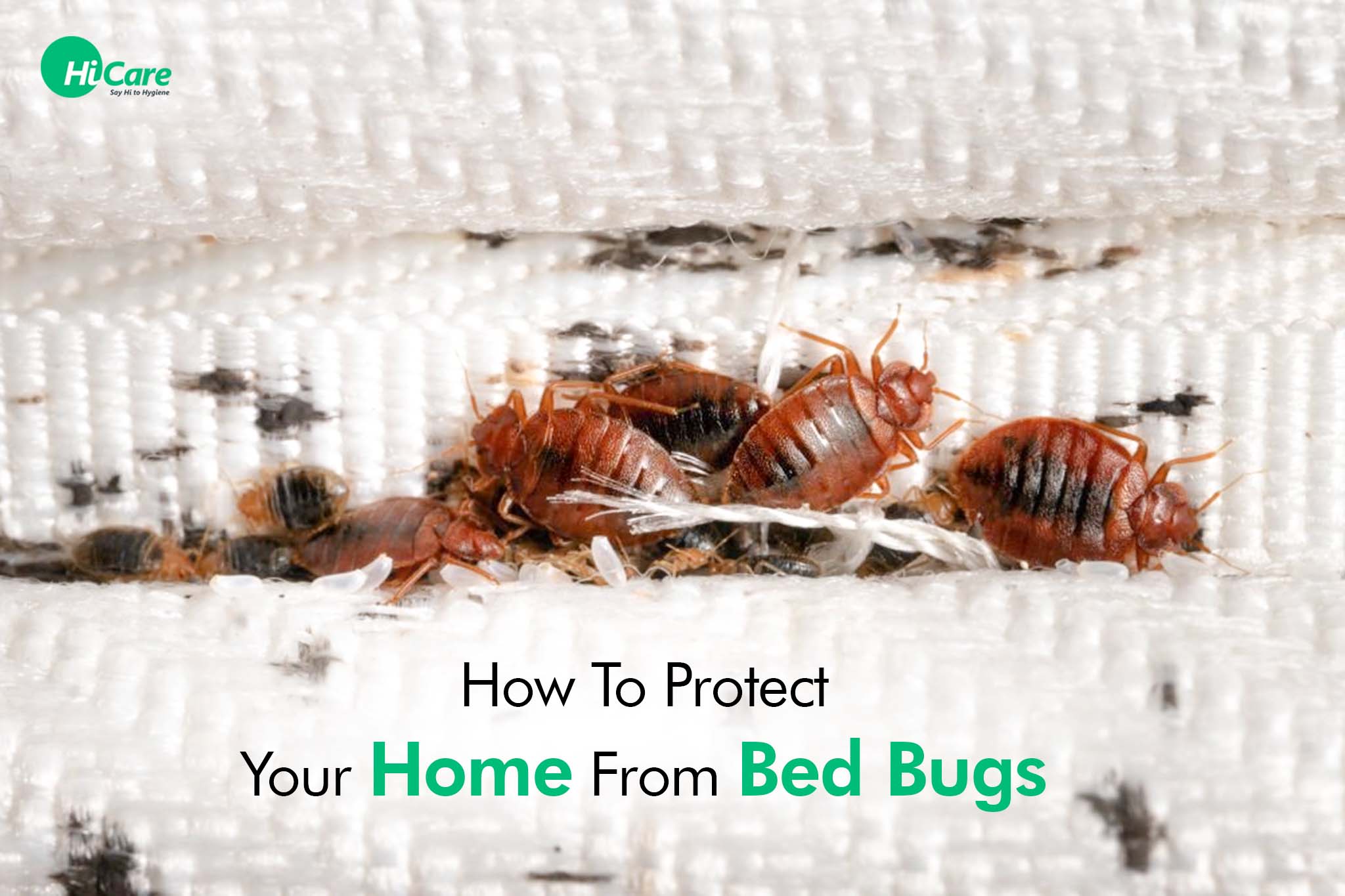
Size contrast provides a clear diagnostic criterion: adult bed bugs (Cimex lectularius) measure roughly 4–7 mm in length and are visible to the unaided eye as flattened, oval, reddish-brown insects, whereas dust mites (primarily Dermatophagoides spp.) are approximately 0.2–0.5 mm and require magnification to be resolved, appearing as translucent, teardrop-shaped arachnids. Quantitative assessment supports this: the Visibility Threshold for human vision (~0.1–0.2 mm under ideal conditions) places bed bugs well above detectability and dust mites below without optical aid. A Microscope Comparison underscores morphological detectability differences; low-power stereo microscopes readily reveal bed bug surface features, while dust mites necessitate high magnification and differential contrast to resolve setae and capitulum. This size differential informs inspection protocols and detection technology design.
Body Structure Differences
Several distinct morphological features differentiate bed bugs (Cimex lectularius) from dust mites (Dermatophagoides spp.): bed bugs are six-legged hemimetabolous insects with a dorsoventrally flattened, segmented exoskeleton, clearly articulated head, thorax and abdomen, compound eyes, and a visible proboscis-like rostrum used for hematophagy, whereas dust mites are eight-legged arachnids with a compact, unsegmented idiosoma, reduced external segmentation, chelicerae and pedipalps for feeding on detritus, and a translucent cuticle that obscures internal structures. Comparative analysis highlights divergent exoskeleton composition: sclerotized, pigmented chitin plates in bed bugs versus softer, thin cuticular layers in mites. Sensory appendages differ functionally and morphologically—bed bug antennae and compound eyes enable host localization, mites rely on tactile setae and simple sensory organs adapted to microhabitats.
Mobility and Behavior
Contrast emerges sharply in locomotion and behavioral ecology between bed bugs (Cimex lectularius) and dust mites (Dermatophagoides spp.): bed bugs exhibit active, directed crawling driven by six jointed legs, negative phototaxis, and host-seeking behaviors mediated by chemosensory and visual cues, while dust mites display limited, undirected ambulatory movement using eight legs adapted for clinging to fibers and traversing microtopography, with activity patterns primarily governed by humidity and temperature rather than host cues. Bed bugs manifest pronounced nocturnal patterns, active foraging, rapid escape behaviors when disturbed, and consolidation via aggregation pheromones facilitating refugia fidelity. Dust mites show slow dispersal, microhabitat fidelity tied to moisture gradients, and no evidence of directed host pursuit or pheromone-mediated mass movements, underscoring distinct control and detection strategies.
How Each Affects Human Health and Comfort
Bed bugs and dust mites affect human health and comfort through distinct mechanisms: bed bug feeds cause localized cutaneous reactions, secondary skin infections, and significant psychological distress, while dust mite exposure primarily provokes allergic and asthmatic responses driven by enzymatic proteins in mite feces and body fragments. Bed bug envenomation elicits wheal-and-flare lesions, pruritus, and potential bacterial superinfection; chronic infestation correlates with insomnia and pronounced sleep disruption, anxiety, and diminished quality of life. Dust mite aeroallergens trigger IgE-mediated allergic reactions, rhinitis, conjunctivitis, and exacerbation of bronchial asthma, with dose-dependent sensitization and inflammatory airway remodeling. Management approaches differ: targeted eradication and wound care for bed bugs versus allergen reduction, air filtration, and immunotherapy innovation for dust mite–mediated morbidity.
How Infestations Spread and Risk Factors
Understanding how these organisms disseminate and the factors that increase infestation risk follows naturally from their differing health impacts and control strategies. Bed bug spread is predominantly via passive transport: adults and nymphs hitchhike on travel luggage, clothing, and furniture, enabling rapid spatial jumps between dwellings and public transit nodes. Structural connectivity and human movement patterns amplify risk; multiunit housing sees increased neighbor transfers through shared walls, conduits, and discarded items. Dust mite distribution is endogenous, driven by microhabitat suitability—humidity, temperature, and organic debris—rather than human-mediated relocation. Risk profiling consequently requires distinct metrics: for bed bugs, vectors and contact networks; for dust mites, indoor climate and fabric load. Surveillance and preventive design should target these divergent propagation modalities.
Effective Detection and Control Strategies
Effective detection and control strategies require targeted methods aligned to each organism’s biology and transmission: for Cimex lectularius and C. hemipterus, protocols emphasize inspection of harborages, early passive detection via interceptor traps and canine scent teams, and coordinated insecticidal plus nonchemical interventions to interrupt hitchhiking-mediated spread; for Dermatophagoides spp., management centers on environmental modification—reducing relative humidity below 50%, frequent washing and high-temperature drying of soft furnishings, and encasements—combined with vacuuming using HEPA filtration and acaricidal or enzymatic treatments when clinically indicated. Surveillance integrates monitoring dogs, structured visual inspections, and data logging to assess intervention efficacy. Chemical limitations necessitate resistance management and integration of heat, steam, and physical exclusion. The approach is systematic, evidence-based, and optimized for scalable innovation.
- A technician lifting mattress edges with LED penlight
- Interceptor trap capturing tarsi on plastic rim
- Canine handler consulting real-time GPS traces
- Dehumidifier with digital RH display running
- Mattress encasement zipper sealed and labeled
Conclusion
Bed bugs and dust mites represent distinct arthropod threats in sleeping environments, differing markedly in morphology, behavior, habitat, and health impact. Bed bugs are hematophagous, mobile, and require targeted inspection and eradication protocols including integrated pest management and professional insecticidal or heat treatments. Dust mites are microscopic allergen producers controlled by environmental measures—humidity reduction, frequent laundering, and HEPA filtration. Accurate differentiation informs appropriate, evidence-based mitigation, reducing morbidity and preventing unnecessary or ineffective interventions.