
Material testing laboratories serve as the silent guardians of building safety, meticulously evaluating the very foundation on which structures stand sieve analysis test. These labs are not mere observers but rather the gatekeepers of structural integrity, unveiling the hidden vulnerabilities that could jeopardize the safety of occupants. As we explore their intricate role in the realm of construction, a deeper understanding of their impact on disaster prevention and resilience emerges, shedding light on the critical link between meticulous material testing and the assurance of secure buildings.
Importance of Material Testing Labs
The significance of material testing laboratories in ensuring the structural integrity and safety of buildings cannot be overstated. These specialized facilities play a crucial role in evaluating the properties of construction materials, ensuring they meet industry standards and regulatory requirements. By subjecting materials to various tests, such as tensile strength, compressive strength test sieve shaker, and durability assessments, material testing labs provide valuable data that engineers and architects rely on to make informed decisions during the design and construction phases.
Moreover, material testing laboratories help identify potential weaknesses or defects in building materials before they are incorporated into a structure, thereby preventing costly errors and ensuring the longevity of the building. Through meticulous analysis and rigorous testing protocols, these labs contribute to the overall quality, safety, and performance of buildings, ultimately safeguarding the well-being of occupants and the public. In essence, material testing laboratories serve as guardians of structural integrity, promoting confidence in the built environment.
Types of Tests Conducted
Material testing laboratories conduct a range of specialized tests to assess the quality and properties of construction materials used in building safety evaluations.
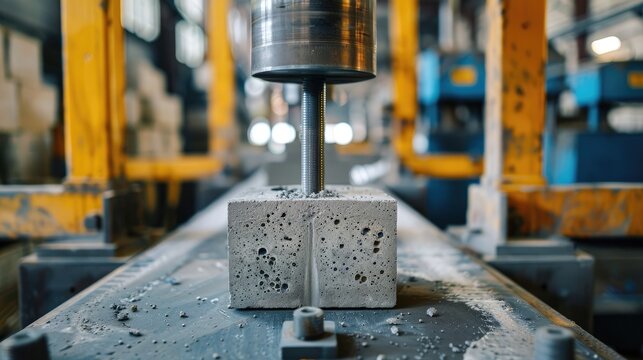
These tests include but are not limited to compressive strength tests, which determine how much load a material can withstand before deforming or collapsing.
Tensile strength tests assess a material’s ability to resist tension forces, crucial for materials like steel used in structural elements.
Flexural strength tests evaluate a material’s ability to withstand bending forces, important for components like beams and slabs.
Durability tests examine how materials hold up against environmental factors like moisture, temperature changes, and chemical exposure over time.
Thermal conductivity tests measure a material’s ability to conduct heat, impacting its performance in controlling temperature within buildings.
Density tests determine the mass per unit volume of a material, essential for understanding its weight-bearing capacity.
Impact on Building Design
The results of material testing in laboratories play a crucial role in enhancing design efficiency and ensuring structural integrity in building projects.
By providing data on material properties and performance under various conditions, these tests inform decisions related to construction methods and material selection.
Ultimately, the insights gained from material testing influence the overall design process to create safer and more durable structures.
Design Efficiency
Maximizing design efficiency in building projects is a critical factor that significantly influences the overall structural integrity and functionality of the final construction. Efficient design ensures that the building is not only aesthetically pleasing but also meets the necessary safety standards.
It involves optimizing the use of materials, space, and resources to achieve the desired outcome within budget constraints. Design efficiency considers factors like energy efficiency, sustainability, and ease of maintenance. Utilizing advanced technologies like Building Information Modeling (BIM) can aid in streamlining the design process, identifying potential issues early on, and improving collaboration among project stakeholders.
Structural Integrity
Efficient design in building projects is directly impacted by the structural integrity considerations, which play a fundamental role in ensuring the long-term stability and safety of the construction. The structural integrity of a building encompasses the ability of the structure to resist various loads, including gravity, wind, and seismic forces.
Engineers must carefully analyze the building’s materials, foundation, and overall design to ensure that it can withstand these forces without experiencing failure. Factors such as the choice of materials, the arrangement of load-bearing elements, and adherence to building codes all contribute to the structural integrity of a building.
Compliance With Regulations
Ensuring compliance with regulations is paramount in the construction industry to uphold safety standards and prevent potential hazards.
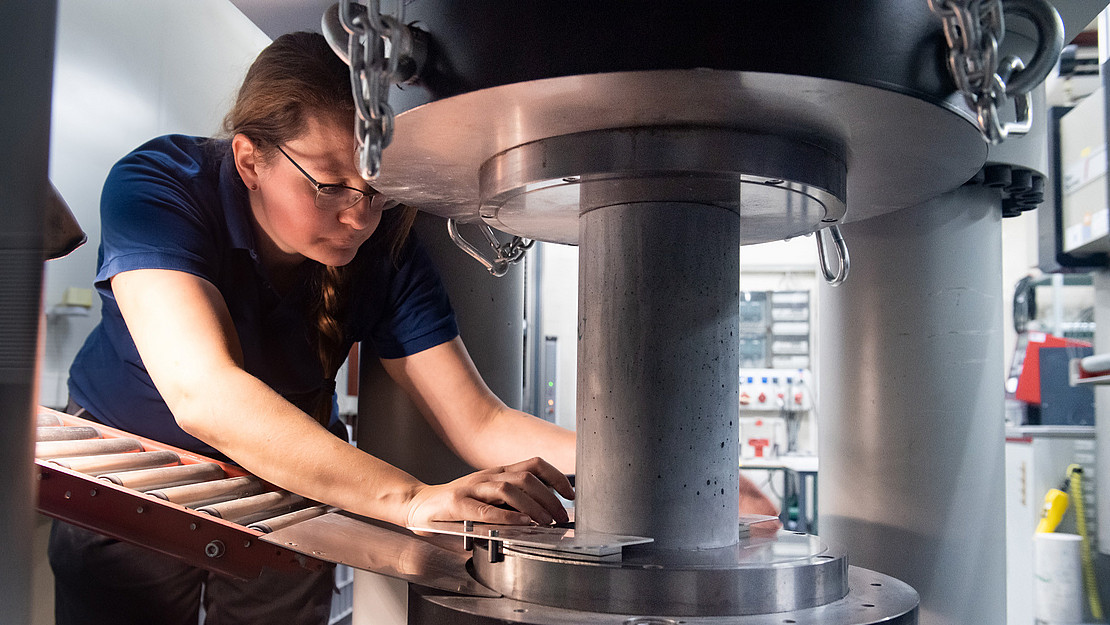
Material testing laboratories play a crucial role in verifying that building materials meet the required standards and specifications set by regulatory bodies.
Adherence to these regulations is essential for the structural integrity and overall safety of buildings.
Regulatory Compliance Importance
Adhering to regulatory compliance standards is paramount for material testing laboratories to ensure the safety and integrity of buildings. Compliance with regulations, whether local, national, or international, establishes a baseline for quality assurance, safety protocols, and performance expectations. Regulations encompass a wide array of factors, including material composition, structural stability, fire resistance, and environmental impact.
Standards Adherence Verification
Verification of standards adherence within material testing laboratories is crucial for ensuring compliance with regulations related to building safety. These laboratories play a pivotal role in confirming that materials used in construction meet specified standards set by regulatory bodies.
Through meticulous testing procedures and quality control measures, material testing laboratories ensure that materials used in buildings meet the necessary strength, durability, and safety requirements. Adherence to standards also helps in identifying any potential weaknesses or defects in materials before they are incorporated into structures, thus reducing the risk of failures or accidents.
Regular verification of standards adherence not only upholds the integrity of the construction industry but also safeguards the lives of occupants and the public, emphasizing the importance of rigorous compliance with regulations.
Ensuring Structural Integrity
In the realm of building safety, a critical aspect that demands meticulous attention is the assurance of structural integrity. Material testing laboratories play a vital role in this process by conducting tests to assess the strength and stability of building materials, ensuring that structures can withstand various stresses and loads. These laboratories employ a range of techniques such as tensile testing, compression testing, and non-destructive testing to evaluate the structural properties of materials like concrete, steel, and timber. By analyzing factors like material composition, durability, and deformation characteristics, experts can determine the suitability of materials for specific structural applications.
Moreover, material testing laboratories also investigate the effects of environmental factors, such as temperature fluctuations and moisture exposure, on the structural integrity of buildings. Through thorough examination and analysis, these laboratories help identify potential weaknesses or vulnerabilities in building materials, allowing for necessary modifications to enhance overall structural resilience. Ultimately, the rigorous testing conducted by these facilities plays a crucial role in ensuring that buildings meet safety standards and remain structurally sound throughout their lifespan.
Role in Disaster Prevention
Material testing laboratories play a pivotal role in disaster prevention by assessing the structural resilience of building materials under various stress scenarios. Through rigorous testing procedures, these labs can determine the strength, durability, and flexibility of materials used in construction, helping to identify potential weaknesses that could lead to structural failures during disasters such as earthquakes, hurricanes, or fires. By subjecting materials to extreme conditions, including high winds, seismic vibrations, and intense heat, these laboratories provide vital information to engineers and architects to design buildings that can withstand natural disasters.
Moreover, material testing labs evaluate the performance of new materials and construction techniques, ensuring that they meet safety standards and regulatory requirements. By staying updated on the latest advancements in building materials, these labs contribute to the development of innovative solutions for disaster-resistant structures. Ultimately, the work of material testing laboratories is essential in safeguarding lives, protecting property, and enhancing overall disaster resilience in the built environment.
Future Trends and Innovations
Advancing technologies and research in the field of material testing are shaping the future of building safety and disaster resilience. One key trend is the increasing use of non-destructive testing methods, such as ground-penetrating radar and infrared thermography, which allow for thorough inspections without causing damage to the structure. These methods provide valuable insights into the internal condition of materials, helping to identify potential weaknesses before they become hazardous.
Additionally, the integration of artificial intelligence (AI) and machine learning algorithms is revolutionizing material testing processes. These technologies can analyze vast amounts of data quickly and accurately, detecting patterns that may indicate structural vulnerabilities. By leveraging AI, material testing laboratories can enhance predictive maintenance strategies and optimize building safety protocols.
Moreover, the development of advanced materials, like self-healing concrete and smart coatings, is paving the way for more resilient structures. These innovative materials possess self-repair capabilities and can adapt to environmental conditions, significantly improving the durability and longevity of buildings. Embracing these future trends and innovations in material testing will undoubtedly play a crucial role in safeguarding buildings against potential disasters.
Conclusion
In conclusion, material testing laboratories play a critical role in ensuring building safety through the evaluation of construction materials.
By conducting various tests to assess properties and performance, these labs help identify weaknesses in materials, ensuring structural integrity and preventing potential disasters.
Adhering to regulatory standards and providing essential data to professionals, material testing laboratories significantly contribute to the design, construction, and maintenance of safe and resilient buildings, ultimately enhancing overall building safety and disaster resilience.