
In the realm of veterinary medicine, X-ray imaging plays a pivotal role in diagnosing and treating various ailments in our beloved animal companions.
This article delves into the significance of X-rays for pets vet clinic, elucidating the preparation, procedure, and benefits associated with this diagnostic tool.
By gaining a comprehensive understanding of the X-ray process and its outcomes, pet owners and veterinary professionals alike can make informed decisions to ensure the well-being of their furry friends.
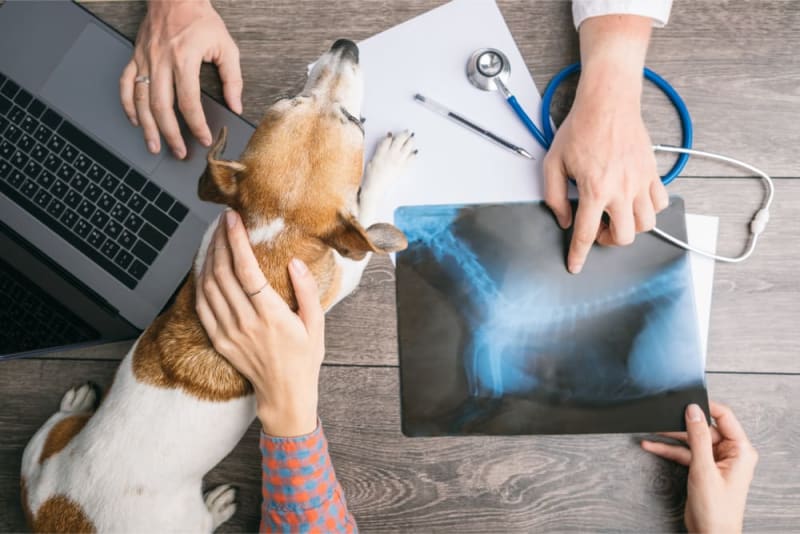
Importance of X-rays in Veterinary Medicine
Utilizing X-rays plays a crucial role in diagnosing and monitoring various medical conditions in veterinary medicine. X-rays provide veterinarians with a non-invasive method to visualize the internal structures of animals, aiding in the detection of fractures Starlight, foreign objects, tumors, and other abnormalities that may not be apparent during a physical examination. This imaging technique is especially valuable in emergency situations where timely diagnosis is essential for effective treatment. Additionally, X-rays are instrumental in monitoring the progression of certain diseases and the healing process of injuries over time.
In veterinary medicine, X-rays offer a comprehensive view of the skeletal system, internal organs, and soft tissues, enabling veterinarians to make accurate diagnoses and formulate appropriate treatment plans. The ability to capture detailed images through X-rays helps ensure that pets receive the necessary care tailored to their specific medical needs. Furthermore, X-rays are a valuable tool for assessing the effectiveness of treatments and surgical interventions, allowing veterinarians to adjust their approach as needed for optimal outcomes.
Preparation for Pet X-rays
X-ray imaging for pets requires proper preparation to ensure accurate and beneficial diagnostic results. Before the procedure, it is essential to follow specific guidelines to guarantee the effectiveness of the x-ray.
Firstly, pets may need to fast for a certain period before the x-ray to prevent any interference from food in the gastrointestinal tract. Additionally, the veterinarian may request the removal of collars, tags, or any metal objects that could obstruct the x-ray image.
Sedation might be necessary for anxious or overly active pets to ensure they remain still during the procedure, enhancing the clarity of the images captured. Furthermore, proper positioning is crucial to target the area of interest and obtain the most informative results.
Pet owners play a vital role in the preparation process by following instructions carefully and assisting in keeping the pet calm and cooperative. By adhering to these preparation steps, pet x-rays can be conducted efficiently, leading to accurate diagnoses and effective treatment plans.
Understanding the X-ray Procedure
When conducting diagnostic imaging for pets, an initial step involves positioning the animal correctly to capture clear and informative images. The X-ray procedure for pets is similar to that for humans but requires special care due to the animals’ different anatomies and behaviors.
Typically, pets are sedated to ensure they remain still during the imaging process, which is crucial for obtaining accurate results. Once the pet is positioned correctly, the X-ray technician will step behind a protective barrier to limit their exposure to radiation. The X-ray machine is then carefully positioned to emit radiation towards the targeted area of the pet’s body.
The technician will activate the machine, and the X-rays will pass through the pet’s body onto a detector, creating an image that will be used for diagnostic purposes. After the procedure, the veterinarian will analyze the X-ray images to identify any abnormalities or injuries, guiding them in providing the necessary treatment for the pet’s well-being.

Benefits of X-rays for Pets
The diagnostic images obtained from the X-ray procedure for pets provide veterinarians with valuable insights into the animals’ health conditions. These images allow veterinarians to visualize the internal structures of the body, helping identify fractures, foreign objects, tumors, and other abnormalities that may not be apparent during a physical examination. X-rays are particularly beneficial in emergency situations where quick and accurate diagnosis is crucial for determining the best course of treatment. Additionally, X-rays are non-invasive and relatively quick to perform, making them a convenient tool for assessing a wide range of health issues in pets.
Furthermore, X-rays play a vital role in monitoring the progression of certain conditions over time. By comparing current X-ray images with previous ones, veterinarians can track changes in the pet’s health status and adjust treatment plans accordingly. This ability to monitor changes and response to treatment is instrumental in ensuring the overall well-being and quality of life for pets.
Ultimately, the benefits of X-rays for pets lie in their ability to aid in diagnosis, guide treatment decisions, and monitor the effectiveness of interventions, all of which contribute to better outcomes for our beloved animal companions.
Interpreting X-ray Results
Interpreting radiographic findings plays a crucial role in determining the diagnosis and treatment plan for pets undergoing X-ray procedures. Veterinarians rely on X-ray images to identify various conditions such as fractures, foreign objects, tumors, and organ abnormalities in animals. When interpreting X-ray results, veterinarians look for abnormalities in bone density, shape, and alignment, as well as changes in soft tissue structures like organs and muscles. Understanding these findings helps veterinarians make informed decisions about the best course of action for the animal’s health.
Additionally, the interpretation of X-ray results involves comparing the findings with the pet’s clinical history, symptoms, and other diagnostic tests to form a comprehensive assessment. This process is essential for developing an accurate diagnosis and effective treatment plan tailored to the individual needs of the pet. Clear communication between the veterinarian and pet owner is also crucial during this stage to ensure that the next steps in the pet’s care are well understood and agreed upon.
Conclusion
In conclusion, X-rays play a crucial role in veterinary medicine by providing valuable insights into the health of pets. The process involves careful preparation and execution to ensure accurate results.
The benefits of X-rays for pets include early detection of illnesses, identification of injuries, and monitoring treatment progress.
Proper interpretation of X-ray results is essential for effective diagnosis and treatment planning in veterinary care.